

For those who have worn the uniform and served in Britain’s Armed Forces, the move to civilian life after military service is one of the most significant and, often, unsettling transitions many will ever face. It is a journey marked not only by the loss of daily structure, camaraderie and a shared identity, but also by the need to rediscover a sense of meaning, connection and purpose outside the world of service. At Veterans In Action (VIA), this transition is neither the end of the road nor a solitary struggle. Instead, it is the starting point for building bridges—bridges that connect the past to the present, bridges from isolation to community, and bridges to personal growth and affirmation.
Leaving the Armed Forces is rarely just a matter of handing in a uniform and ID card. The day-to-day stability of military life, with its reliance on teamwork, trust and shared goals, is replaced overnight by unfamiliar civilian routines and expectations. For many veterans, this can result in a sense of loss and uncertainty. The skills, discipline and resilience gained through service may not always seem immediately transferable, or even recognised, in civilian settings.
Additionally, for a significant number, the journey out of service is complicated by the invisible wounds of psychological injury: anxiety, post-traumatic stress, depression or an abiding sense of not belonging. Adjustments at home and in the wider world can be immensely difficult. In this landscape, finding a place of acceptance and usefulness is vital.
VIA’s core belief is straightforward: no veteran should have to face the challenges of transition and recovery alone. The process of building bridges begins with honest recognition of each individual’s experience. Rather than a one-size-fits-all method, VIA offers a series of practical projects, activities and expeditions tailored to the needs of veterans at every stage of their journey.
At its heart, VIA’s approach is based on three principles: trust, participation and peer support. The charity’s projects are not about passive attendance, but about active engagement, purposeful activity and mutual understanding. The goal is to offer veterans an immediate and tangible stake in their own recovery and growth.
Hands-on activity is a cornerstone of the VIA philosophy. From vehicle rebuilding and maintenance, to carpentry, creative arts and expedition preparation, every project has a tangible goal. These tasks are not chosen at random. They are specifically designed to mirror the structure, teamwork and achievement that so many veterans valued in service.
Take, for example, the vehicle rebuild projects. These involve stripping and restoring Land Rovers to expedition standard, which can then be used for overland journeys across the UK and Europe. Veterans work together, learning new skills or refreshing those from their time in the military, and contributing as a valued part of the team. The sense of accomplishment when a project is completed is shared by all, providing a powerful antidote to feelings of isolation or redundancy.
Creative and craft-based projects are equally important. Carving, painting, embroidery or even merchandise production (such as mugs and clothing) not only encourage focus and mindfulness, they also give participants the chance to see a task through from start to finish. It is this visible progress—working with your hands, creating something useful, and taking pride in the outcome—that provides a vital lift to confidence and morale.
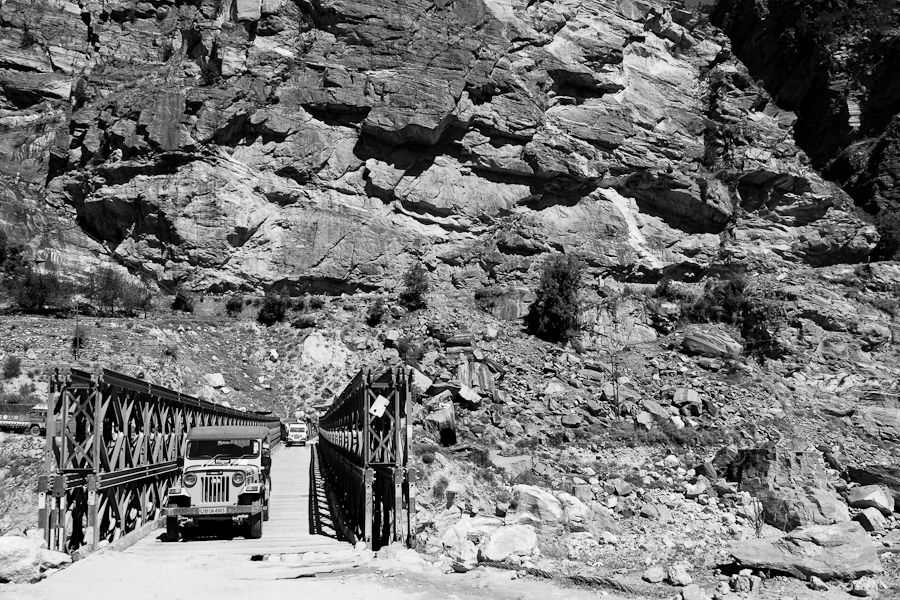
VIA is perhaps best known for its ambitious overland expeditions, both in the UK and abroad. These journeys might involve long-distance walking, driving across challenging terrain, or delivering humanitarian aid in partnership with other organisations. For participating veterans, expeditions represent more than just getting away from home. They play a crucial role in the post-traumatic growth process by placing veterans into purposeful, team-driven scenarios where their skills and mindset are recognised and valued.
There is ample evidence—validated by research as well as by the lived experience of hundreds of VIA veterans—that purposeful activity, when combined with new challenges and shared achievement, provides fertile ground for growth. During expeditions, participants are involved from the initial planning and vehicle preparation right through to completion. Every person has a role: from navigating, driving and camp set-up, to cooking and equipment maintenance.
The result is not only a freshly built sense of self-worth but also the feeling of being needed again, of being part of something larger than any one individual. For many, this is the single greatest reward after leaving the forces: to be viewed not as a problem to be solved, but as an asset within a functioning team.
Perhaps the greatest bridge VIA builds is the bridge between individuals themselves. Social support within the veteran community has been identified as both a protective factor in mental health and a springboard for personal growth after trauma. At VIA, this support is not limited to formal discussion groups, but is woven into the fabric of every project and activity.
Veterans are encouraged to support one another, share experiences, swap advice, and build new friendships rooted in mutual respect. This peer-led approach creates an environment where individuals who might feel awkward or resistant towards clinical therapy can still access understanding and solidarity. As trust develops organically, many find that discussing even deeply personal subjects becomes easier and, when ready, feel more able to access specialist help if needed.
Crucially, the agency of choice always lies with the veteran. Some might contribute quietly through skilled work or behind-the-scenes preparation, while others thrive as organisers, mentors or expedition leaders. In every case, participation is voluntary and celebrated.
VIA’s model does not impose a fixed timeline for engagement. Some veterans benefit from regular, intensive involvement, attending project sessions most days of the week, while others dip in and out as circumstances at home or work allow. Families are often included, recognising that the journey through trauma and growth is not an individual process but one that affects whole households.
The charity works closely with other organisations, NHS providers and local authorities, ensuring that participants who require more specialised counselling, therapy or support are signposted to suitable services. Crucially, involvement in VIA’s projects frequently makes it easier for veterans to engage with formal specialists, giving them the confidence to step forward and articulate their needs.
Stories from the VIA community are testament to the genuine progress that is possible when the right bridges are built. Veterans speak of regaining a sense of purpose, experiencing achievement, and rediscovering aspects of themselves they thought had been lost forever. For some, VIA has helped them back into long-term employment or education. For others, it has given them strength and resilience to manage ongoing mental health conditions, or simply to reconnect with family, friends and the wider community.
These outcomes are not accidental. They are the direct result of a philosophy that puts practical, visible achievement side by side with social connection and ongoing support. Growth is measured not simply by the absence of distress, but by the presence of hope, self-respect and the willingness to look ahead to new possibilities.
At a time when demand for veterans’ mental health support services outstrips supply in many parts of the UK, VIA’s approach offers a valuable model for others. Waiting lists for therapy or formal interventions can be long, potentially discouraging those who are already wary about seeking assistance. VIA’s projects provide structure, activity and a sense of belonging from day one, making ‘waiting’ a period of genuine engagement rather than isolation and frustration.
By focusing on peer leadership and hands-on activity, VIA also mitigates stigma. Participants are not asked to confront trauma head-on before they are ready. Instead, they are encouraged to take small but significant steps towards recovery, at a pace that suits them.
The Ongoing Challenge: Where Next for VIA and UK Veterans?
VIA’s success lies in its adaptability and commitment to meeting veterans on their own terms. Yet, the challenges faced by those leaving the Armed Forces are not diminishing. In the current climate, employment insecurity, housing pressures and the rising cost of living make transitions even more daunting.
There remains an urgent need for:
VIA’s work is dependent on both public awareness and tangible support. Whether you are a veteran, family member, employer, policymaker or simply someone who values resilience and community, you have a part to play.
Building bridges is more than a metaphor at Veterans In Action. It is a living philosophy, grounded in practical action, mutual support and a steadfast belief that every veteran, no matter their background or the challenges they face, can move from a place of isolation and struggle to one of connection, growth and hope.
Through a blend of activity, camaraderie and respect, the projects offered by VIA restore what, for many, seemed lost with the transition out of service: the opportunity to be valued, to learn, to achieve and to grow. Every day, in workshops, on expeditions and in the bonds built between peers, another bridge is laid—steady, supportive and wide enough for all who wish to cross.
If you or someone you know could benefit from practical projects, shared endeavours and a compassionate, understanding community, VIA is ready to welcome you. The journey across the bridge begins with a single step, and the invitation to join is open to all who have served.

I needed focus I needed something to fill my time, well maybe not fill my time but something to focus on like a target, a needed to get back my drive.
I started to help VIA ‘Veterans In Action’ and found something that I could do, use the old skills that I learnt in the army and more since I left which I did not register I had.
I had been missing that motivation to do something that I wanted to do and gain that level of self-gratification and achievement.
Everybody has a skill set, but it’s the motivation to use it we can lose, VIA have various projects on the go all the time, hopefully I have found my niche to help them and myself to gain personal gratification by being a member of a team again and a job well done.
After discussions I realised that it’s this which advances my mental well-being and my ongoing fight against depression and the feeling of worthlessness.
I have woken up, helping hand in hand with fellow soldiers suffering from labelled disorders finding strength from weakness, realising what helps them generally does helps me, the recognition has been an awakening.”
Ian ‘Chalky’ White former 17th/21st Lancers and B Sqn 22 SAS
Veterans In Action have been filming our expeditions for many years for our YouTube Channel, Veterans Expeditions Overland, and through this experience of not only running the expeditions but also capturing footage that enables veterans who have taken part in a place of reference to recapture how they felt by taking part.
The Veterans In Focus project enables veterans to learn new skills and record not only the expeditions we run but also the day-to-day work on all projects connecting them all together so everyone feels involved in all aspects of the work we do.
VIA take a long-term approach to helping veterans who suffer to enable them to grow within a project working alongside their peers. All this can be achieved within this project which can be ongoing and would allow veterans to learn new skills or to pass on skills learned during their time in the services
Some of the outcomes of the project are a sense of purpose, regaining confidence and working in an environment alongside other veterans where they can instantly feel relaxed, chilled-out, secure, and safe.
Veterans can work at their own pace, stop thinking negatively, concentrate, learn new skills, be part of building something, and most importantly where problems are understood this will positively impact mood and stress levels.
For those involved in the project, they can also get involved on an expedition HERE
I became involved with VIA in 2010 after my life took a turn for the worse and was invited along to do some fundraising with them. This helped me no end and in time my life got back on track. I completed a Union Flag Walk with them from Cape Wrath to Land’s End which again helped as walking and talking with other veterans with similar stories was a great help in understanding how I was feeling. I gained control of my life again.
In 2019, I took part in an overland expedition travelling through the Spanish Pyrenees and whilst away my life took a turn for the worse again due to family problems back in the UK. On my return I had to start again and rebuild and focus on the future and with the help of Veterans In Action I got back on track and took control.
I now own and run my own courier business.
Mark Colman former Royal Engineers
To date, we have travelled 25,000 miles travelling through 30 different countries and some of them several times both on overland expeditions for humanitarian aid through the pandemic and more recently supplying medical humanitarian aid to Ukraine.
It is important to note that to take part in one of our overland expeditions we insist that veterans get involved in the BUILD IT part of the project. The reason for this is part of the Post Traumatic Growth process which is our method for helping veterans so that veterans can grow within a team of their peers, learning new skills and relearning old skill sets that may have been forgotten after service.
Leading up to an expedition involves expedition training which will include off-road driving, navigation, camp setups, camp cooking and daily maintenance, something most veterans will understand from their time in the services.
It would be unfair for any individual to turn up on the day of an expedition who hadn’t previously been involved as everyone else would have been working together over a long period of time so due to the very nature of the mental health problems of those we take out on expedition turning up on day 1 for any individual could become very difficult to find where they fit in no matter how welcoming everyone was.
It is the involvement long-term on building the vehicles that enable veterans to grow that gets them to a place where they fully enjoy all aspects of the expedition experience starting from the minute that an overland expedition sets off.